Small Town Canada Spotlight: Backhouse Grist Mill
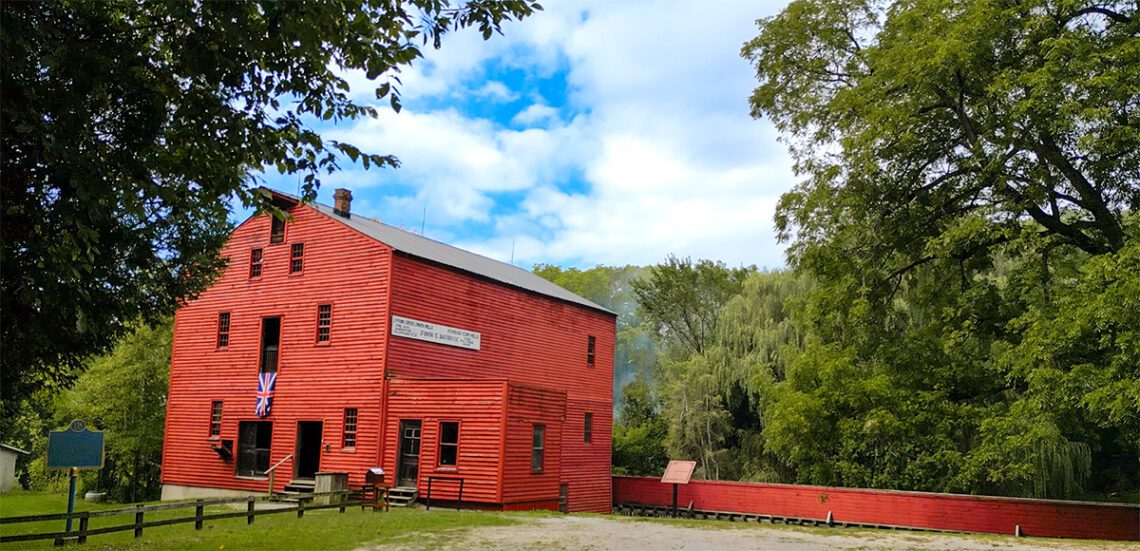
In another edition of Small Town Canada Spotlight, we’ll be learning about something very near and dear to my heart: the Backhouse Grist Mill in Norfolk County, Ontario.
The Early Years
Born in Yorkshire, England, John Backhouse emigrated to the United States in 1791 before relocating with his family to Upper Canada, where he acquired 600 acres of land in Norfolk County, Ontario by 1796. He quickly established himself as a pillar of the community, serving as a Major in the 1st Norfolk Militia during the War of 1812 and as chairman of the Quarter Sessions, then the chief instrument of local government.
Just two years after settling in Norfolk County, Backhouse constructed the water-powered Backhouse Grist Mill, grinding grain into flour and animal feed. It is among the rarest surviving examples of early grain milling in Upper Canada at a time when mills like it were emerging across small communities, laying the groundwork for what would become one of Canada’s defining industries.
Surviving over 200 years, it’s a miracle that the original mill is still around to this day, particularly given the dangers of the War of 1812. American forces burned many mills along the shores of Lake Erie. Flour’s high flammability and a mill’s importance to its community made these structures easy targets. Yet, the Backhouse Grist Mill was one of the few that escaped without any damage.
Of the two raids that threatened Norfolk County during the War of 1812, McArthur’s Raid in November 1814 most endangered Backhouse Mill. While family history claims brush piles were set afire to fool raiders into thinking the mill was burning, the more likely reason for its survival was that McArthur chose to retreat along Talbot Road, a route that was much farther north from the mill’s location. Having already laid waste to a number of grist and sawmills earlier in his raid, and faced with advancing British forces and the Norfolk Militia, historians of the War of 1812 believe McArthur felt he had achieved his objective of preventing the area from being able to offer support to British troops and therefore chose to retreat at this point in the campaign, sparing Backhouse Mill in the process.
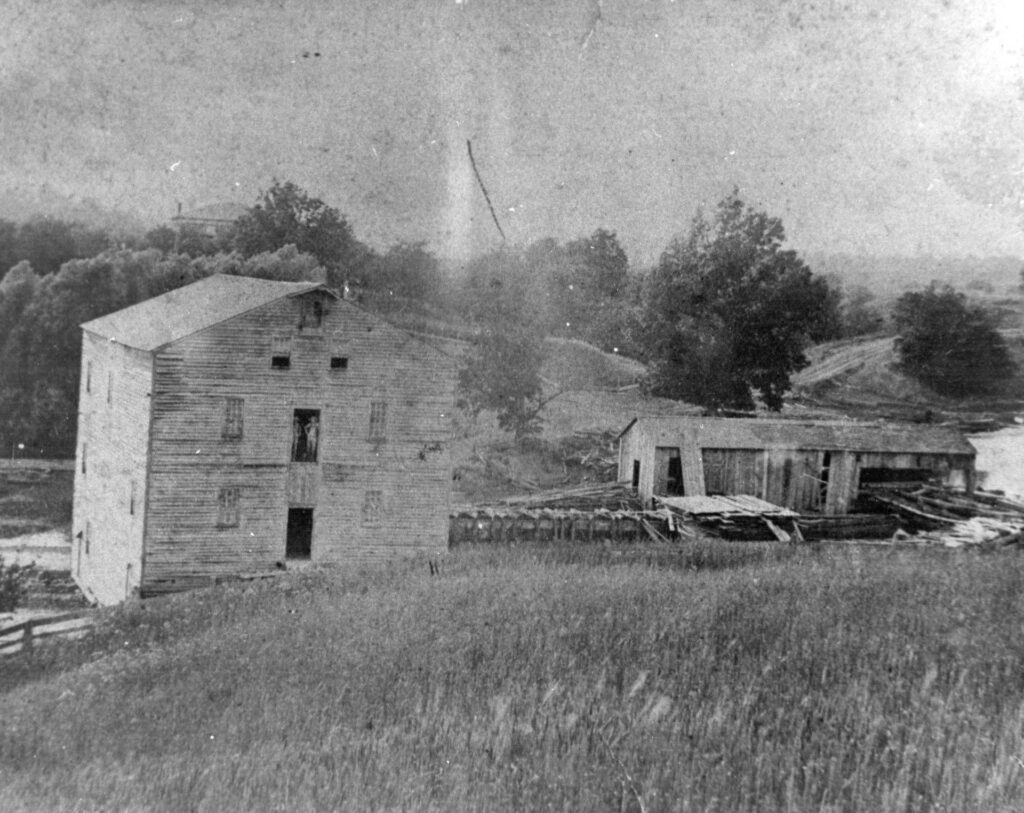
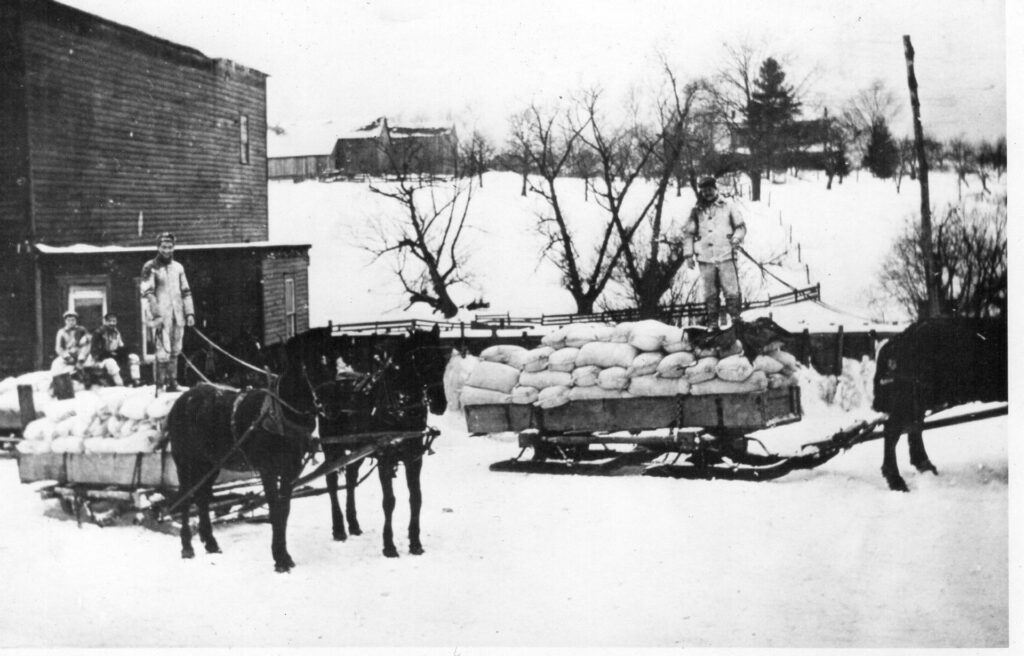
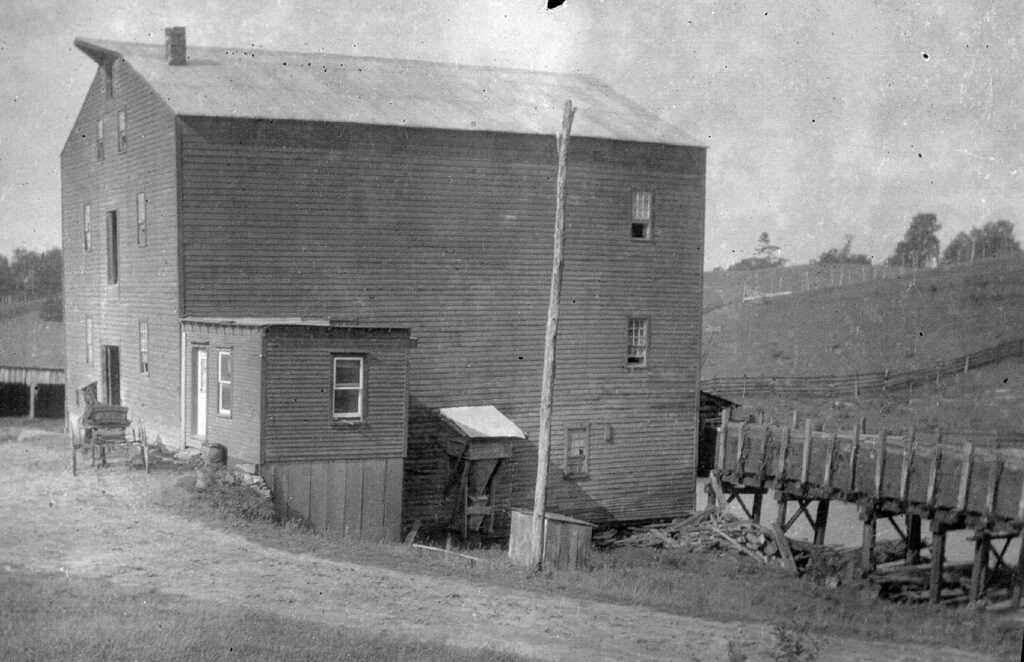
The mill continued operating through the crucial years of post-war rebuilding, going on to serve the surrounding community for nearly 160 years before finally ceasing operations in 1956. Today, it stands as a cornerstone of the region’s heritage and one of the oldest and rarest surviving examples in Canada of small-scale, water-powered milling in the 19th and early 20th centuries.
Save the Backhouse Grist Mill
After the Backhouse Grist Mill closed, the property was purchased by the Big Creek Conservation Authority. In 1998, it was designated a National Historic Site for its origins as a late 18th-century mill, its remarkably intact milling machinery and equipment, and its distinctive three-storey rectangular form beneath a pitched roof, amongst other historical features.
The Backhouse Historic Site is home to a rich collection of historic buildings, anchored by the monumental grist mill at its centre. Visitors can explore the 1852 Backus family homestead, which is a designated provincial historic site, alongside a rare octagonal schoolhouse, log cabins, barns, and carriage and blacksmith shops. Guided tours, period demonstrations, and hands-on activities also bring the site’s history vividly to life.
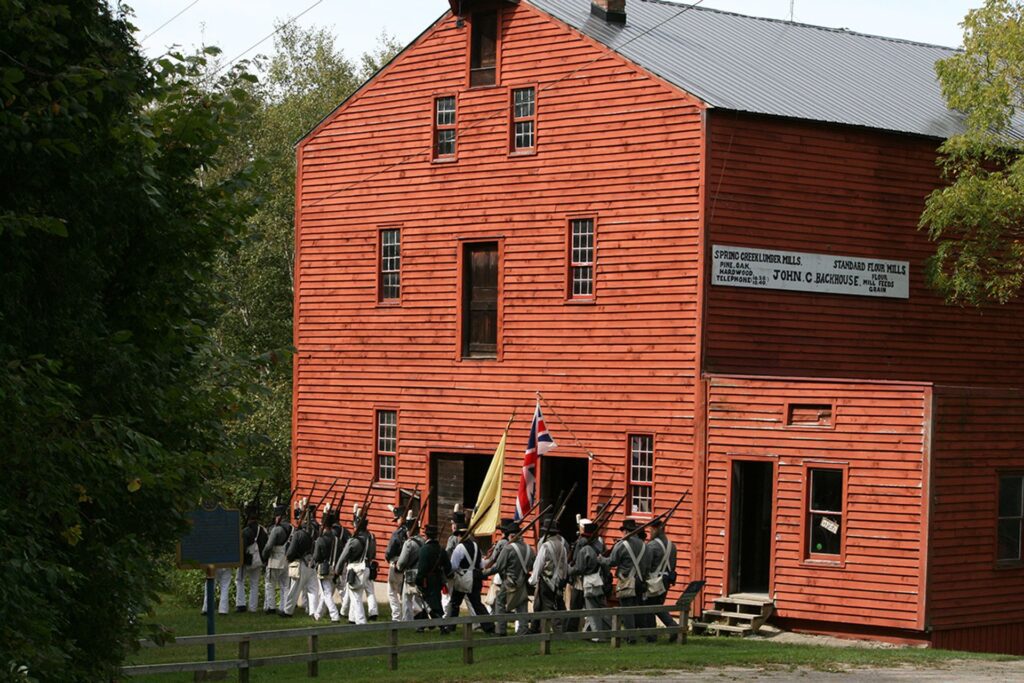
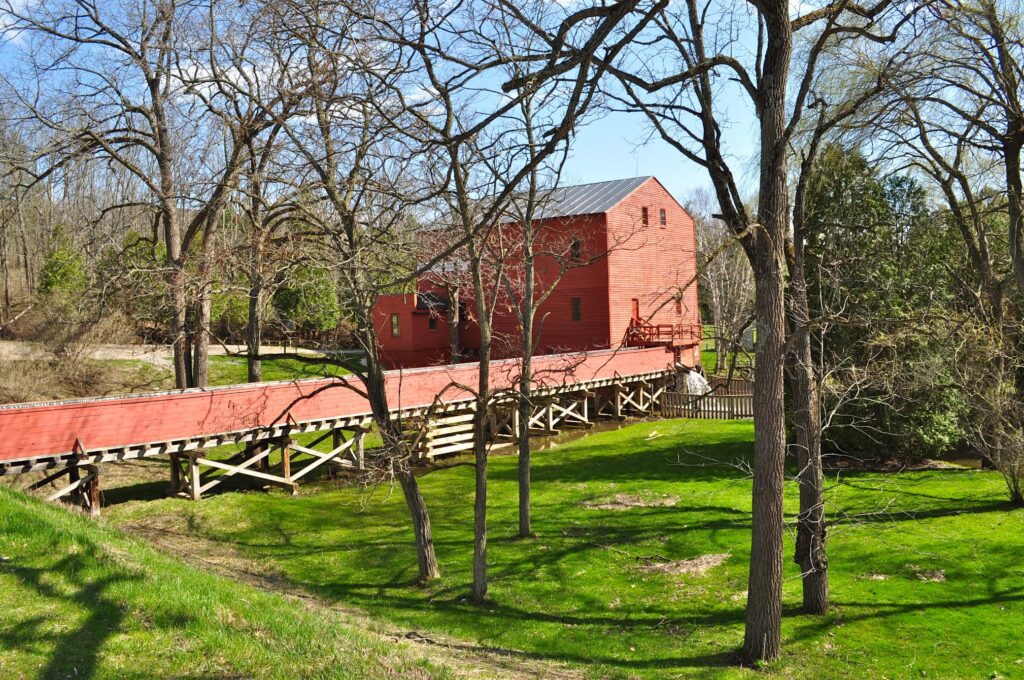
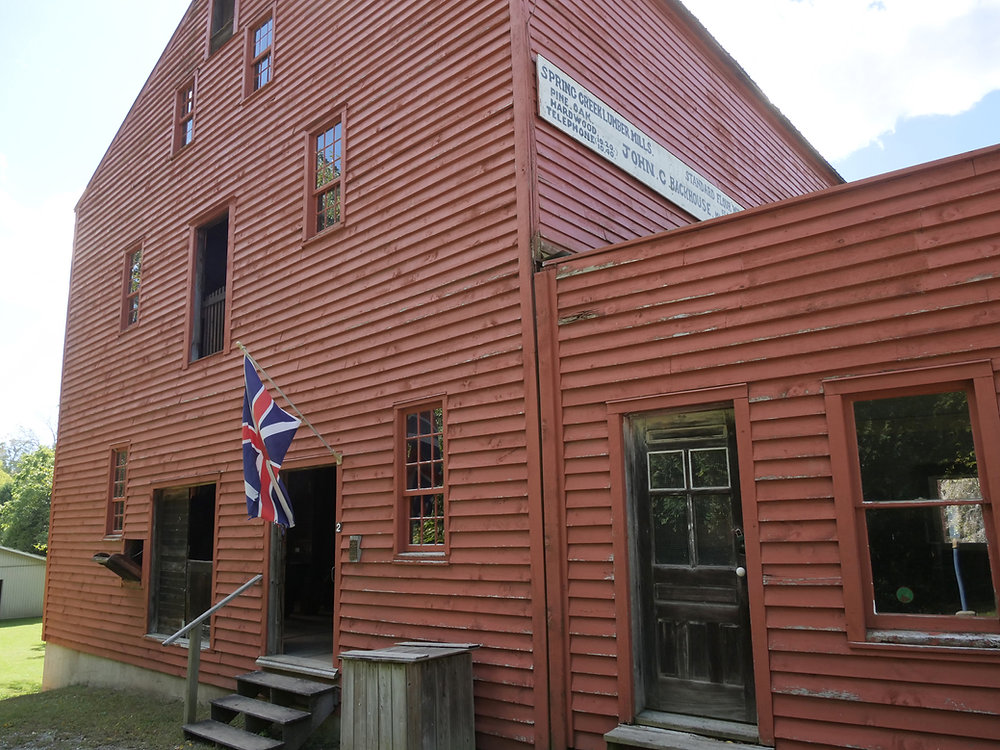
With that being said, the Backhouse Grist Mill needs our help. When I was younger, I visited the Backus Heritage Conservation Area several times on school field trips. We learned about the settlers who once lived there, explored the surrounding habitat, and even reenacted the War of 1812 on its grounds. Those experiences are a big part of why I carry such a deep love for history today.
Please take a moment to vote and share to help protect this National Historic Site and secure the funding it needs for repairs. You can also donate to the restoration of the Backhouse Grist Mill here.
A big thank you to Wanda Backus-Kelly for her information and photos of the Backhouse Grist Mill, along with Chelsey from the Long Point Country Chamber of Commerce and Chloe Anna from the Backus Heritage Conservation Area.


You May Also Like

The History of Kincardine, Ontario

The History of Rockwood, Ontario