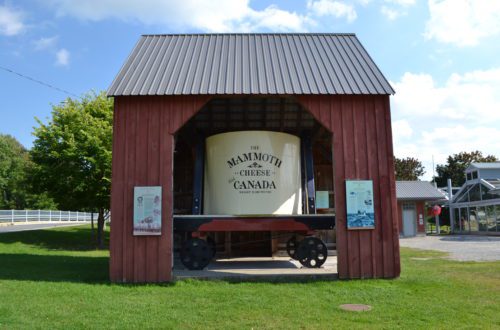
The History of Kincardine, Ontario
Bruce County, est. 9,343 residents
Kincardine, Ontario, is a charming lakeside town renowned for its sweeping views of Lake Huron’s dazzling blue waters. The town’s friendly spirit, historic charm, and vibrant waterfront make it a beloved destination for visitors and locals alike.
The region was first home to the Saugeen Anishnaabek before a pair of settlers arrived on the Lake Huron shoreline. On March 5, 1848, William Withers and Allan Cameron boarded Captain Alexander M. MacGregor’s schooner, which sailed the ship into the mouth of the Penetangore River. MacGregor dropped them on a sandy stretch of land near the mouth of a river to start their journey into one of the last unsettled regions in Ontario.
The pair founded a community called Penetangore, where they built a log cabin in which Cameron eventually ran as an inn and tavern. By the winter of 1848, seven families, including Withers’ and Cameron’s, had inhabited the settlement. Withers built a dam and sawmill, which opened in 1849, but the process wasn’t without difficulty. In their rush to get the mill ready for the incoming settlers’ arrival, they had neglected to secure waterpower rights from the Crown Lands Agent in Goderich. Once the agent became aware of the mill, an order was issued to Withers requiring him to comply with regulations or move the mill altogether.
A bout of heavy rain and a mild spring ultimately provided Withers with a solution. The river flooded, and raging torrents ripped the mill from its location and carried it downstream. Withers moved his mill to a new location east of the town plot, and it became a successful business as the town grew.
By the 1850s, the name Penetangore had fallen out of favour with locals as the town’s name. On January 1, 1850, the Queen’s Bush was divided into counties, which were then divided into townships. Penetangore was located within the Township of Kincardine in the County of Bruce. Both the township and the county were subsequently renamed in honour of James Bruce, the 8th Earl of Elgin, the 12th Earl of Kincardine, and the governor general of Canada from 1847 to 1854. The name Penetangore was officially retired — except in reference to the river — when the Village of Kincardine was incorporated on January 1, 1858, marking the beginning of a new era for the community.
Business in Kincardine
By the 1860s, Kincardine was beginning to thrive. The town had five hotels, multiple grist and sawmills, two foundries, four carriage and wagon shops, cabinet shops, pearl-ash factories, woollen factories, blacksmiths, tinsmiths, tanneries, harness and saddlery shops, a bakery and confectionery, and a brewery.
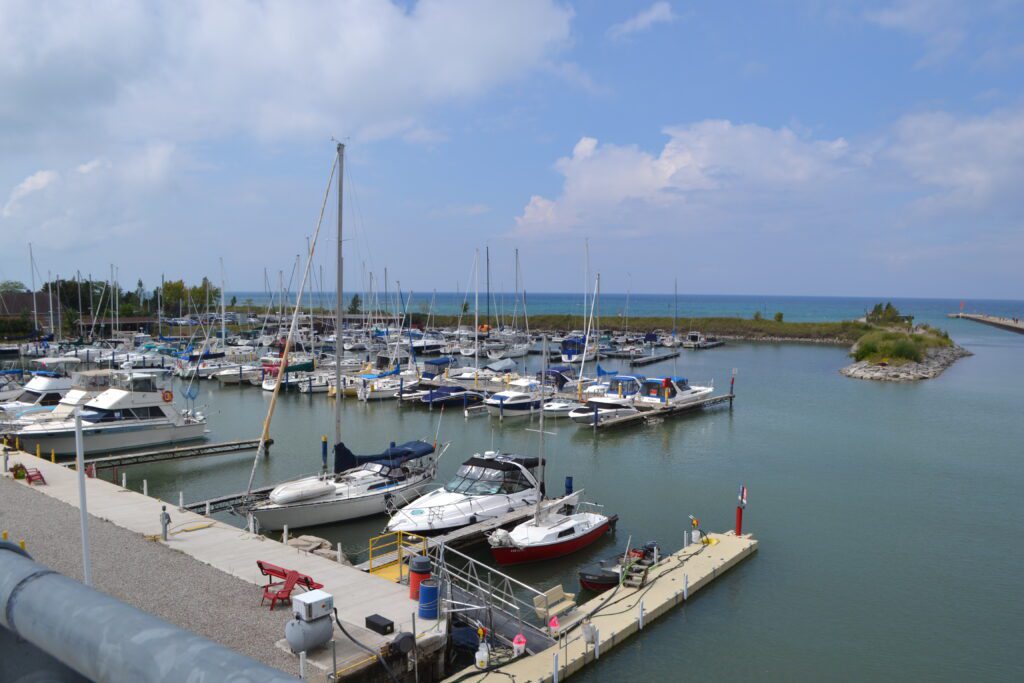
The sand flats also later became the town’s harbour, which was the centre of commercial and industrial activity. By 1866, a fleet of six fishing boats were sailing from the harbour each morning out into Lake Huron. Large deposits of salt at a depth of one thousand feet were discovered around Kincardine in 1868. In 1875, two salt companies produced 187,000 barrels of salt, which the majority was later exported to the United States.
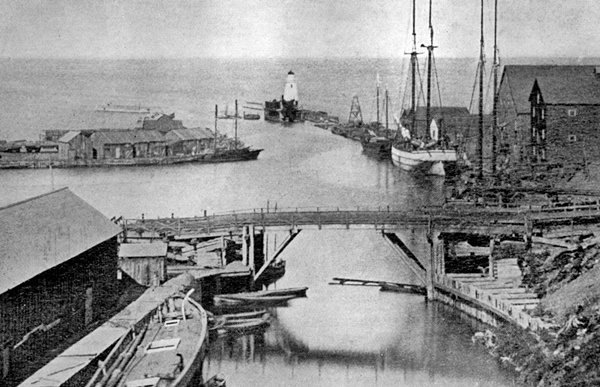
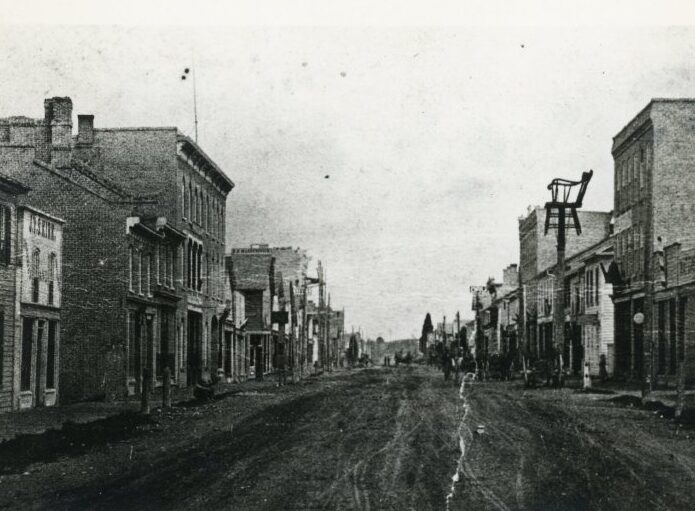
The arrival of the Bruce Railway Company in the 1870s also marked a turning point for Kincardine, bringing new settlers to the area, and increasing access to goods and markets normally found outside the region. This development spurred further industrial expansion in the small village. By the end of the 1800s, Kincardine had established a solid foundation for sustained prosperity.
Until the mid-1960s, the town thrived thanks to these industries, along with several furniture factories that contributed to its economic growth and development. These factories not only provided steady employment for local residents, but also attracted new families to the area, fostering a sense of community and progress.
The establishment of the Bruce Power nuclear plant in the 1970s once again brought considerable economic growth and job creation to Kincardine. As time passed and industrial opportunities waned, the town gradually shifted its focus toward tourism. Capitalizing on its scenic lakeside location and historic sites, Kincardine reinvented itself as a vibrant destination for visitors.
Kincardine Today
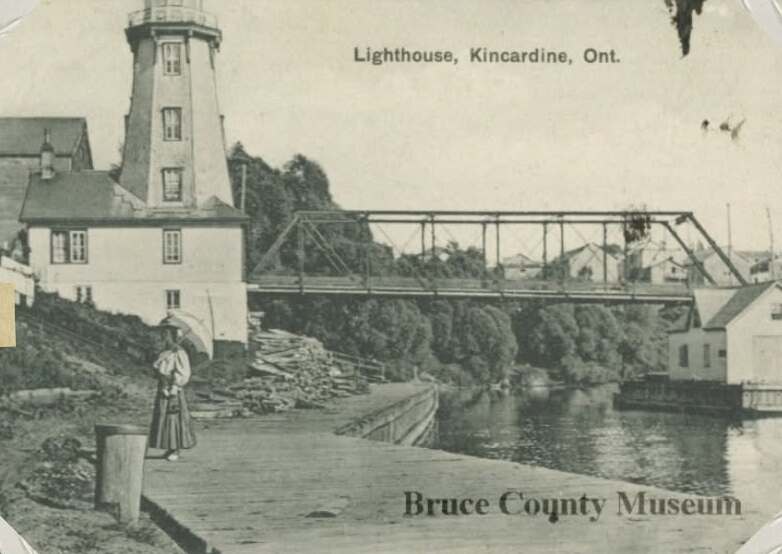
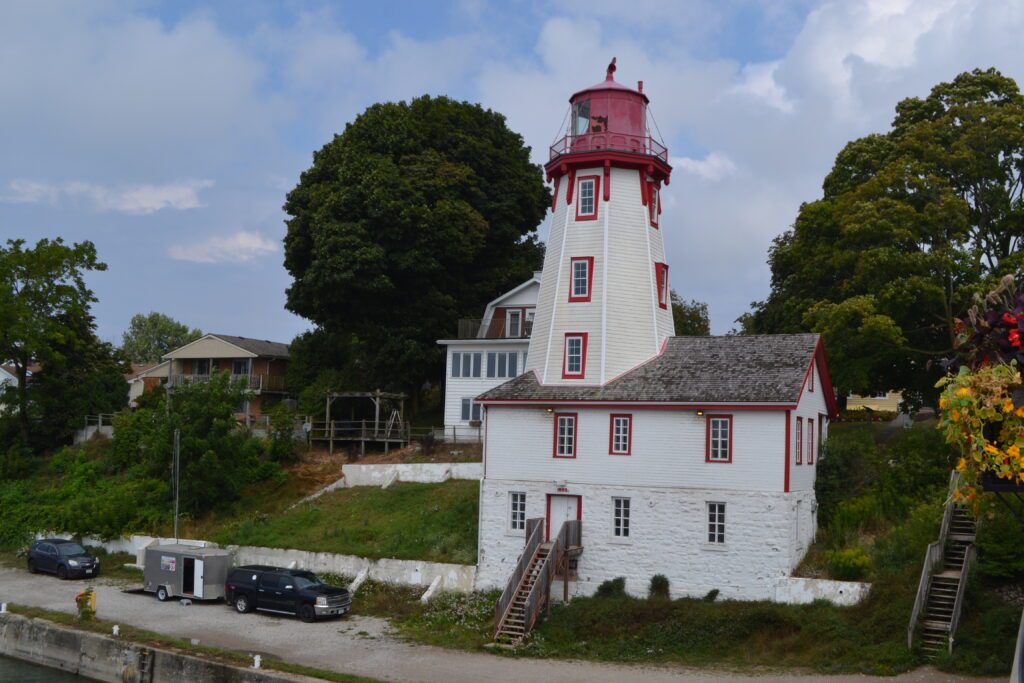
The Kincardine Lighthouse was built in 1881 into the bank of the Penetangore River. The need for a lighthouse was to service the local fishing and salt shipping industries, as well as the lumber and furniture companies that moved their goods through the harbour.
In 1878, parliament approved a $4,000 budget for a new inner range light, and the contract was given to Joseph White. When White failed to complete the lighthouse within the specified timeframe, the contract was annulled and turned over to a local inspector. The work was completed in time for the wooden lighthouse to begin operations in 1881. It was replaced in 1924 by the current stone and concrete version, which remained active until the job of keeper was discontinued in 1977. In 1980, the lighthouse was leased to the Kincardine Yacht Club, and today operates as a museum detailing the region’s maritime past.
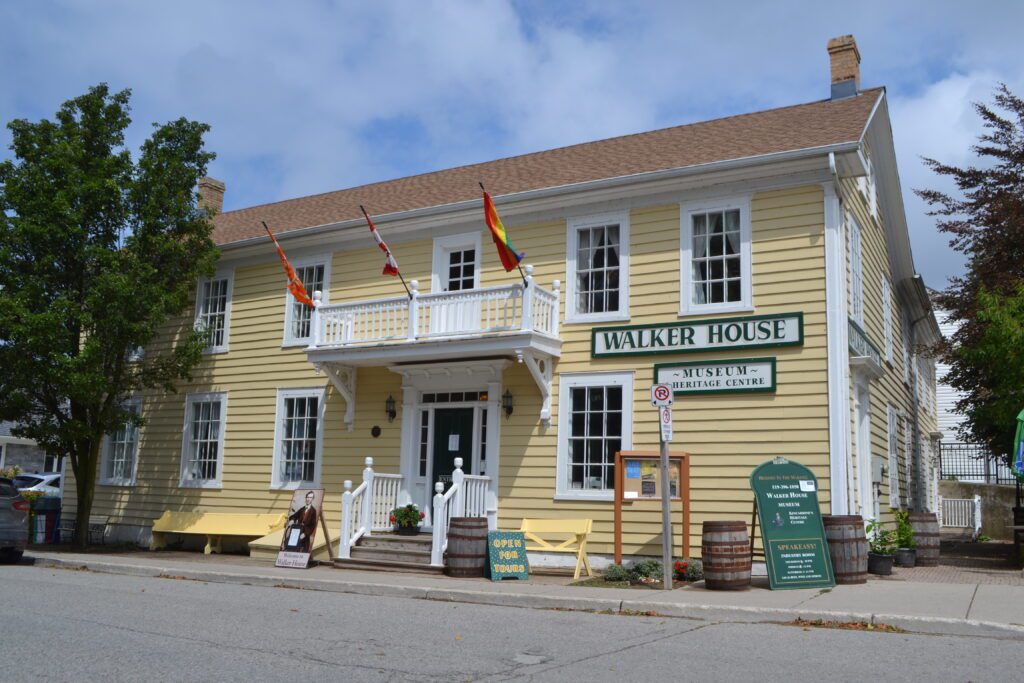
The Walker House Museum and Heritage Centre offers an engaging way to spend an afternoon, immersing visitors in the rich traditions and fascinating history of Kincardine. Built in 1850 by Francis “Paddy” Walker, an Irish immigrant, the Walker House stands as a testament to the resilience and vision of its founders. After arriving in Kincardine with his wife, Jane, and their seven sons, Walker constructed the building within a year to serve as both a tavern and an inn, quickly becoming a cornerstone of the growing community.
By 1995, the Walker House’s future was doubtful. Earlier that year, a devastating fire damaged much of the original structure, rendering the building uninhabitable. At the time, the Walker House was the residence of Marie Gairns, who had purchased the building in 1942 with her husband, Al. For four years following the fire, the Walker House remained untouched, but in 1999, the Paddy Walker Heritage Society (PWHS) was formed to bring a new life to the historic home. The society purchased the Walker House from Gairns, and in 2008, it officially reopened as a museum and heritage centre.
Station Beach is a beautiful stretch of shore ideal for a relaxing day in the sun. Located at the mouth of the Penatangore River, this popular spot is praised for its shallow, inviting waters and an expansive boardwalk that offers breathtaking views. With its long shoreline and lively atmosphere, Station Beach attracts visitors from near and far, making it a must-visit destination in the area.
Kincardine is a beautiful village with a fascinating history, endless views of Lake Huron, and a vibrant community spirit that welcomes visitors year-round.
A big thank you to Heritage Kincardine for the photos provided on Facebook, as well as the Bruce County Museum for their photos.

You May Also Like

The History of Vienna, Ontario
The History of Almonte, Ontario