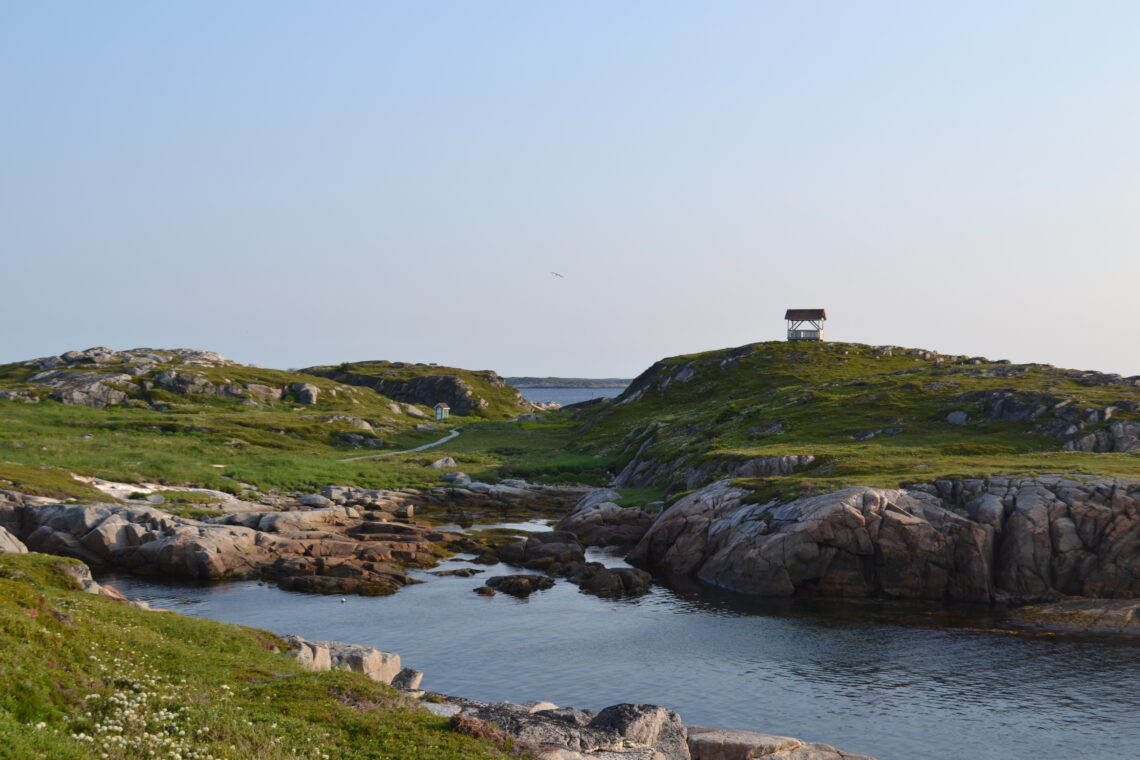
The History of Greenspond, Newfoundland and Labrador
Division 7, est. 257 residents
Greenspond, Newfoundland, once known as the “Capital of the North,” is an enchanting community comprised of several islands on the northeast coast. The largest of these communities is Greenspond Island, along with Batterton, Ship, Newell’s, Wing’s, Pig, Maiden, Groat’s, and Puffin Island.
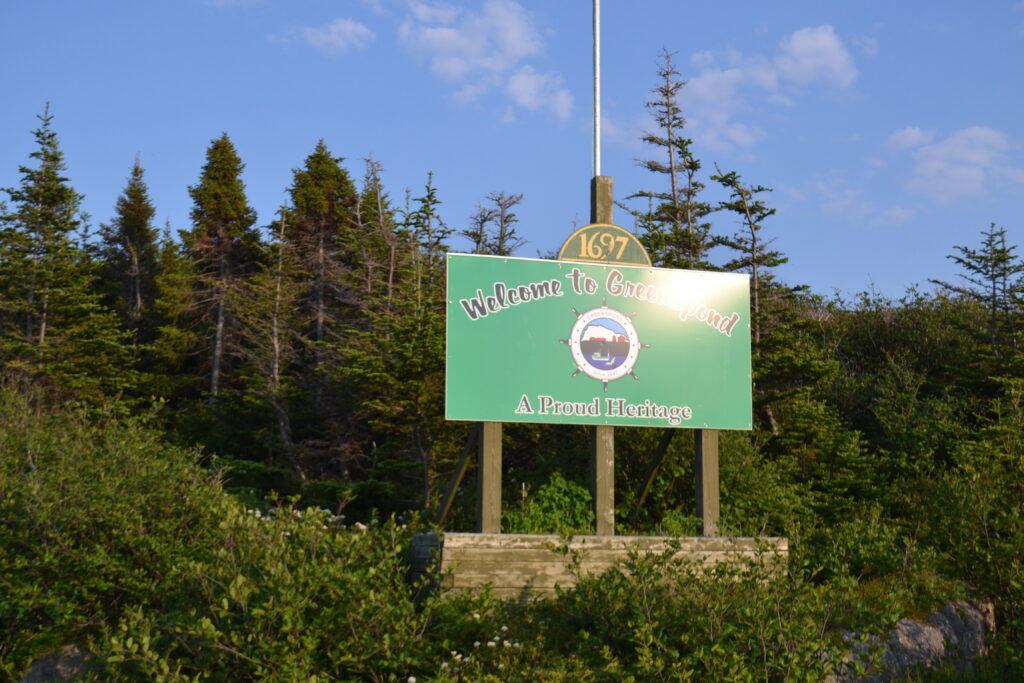
The region is located on the traditional and ancestral homelands of the Beothuk and Mi’kmaq. Europeans settled the area in the 1690s, making the town of Greenspond one of the oldest continuously inhabited outports in Newfoundland. Many of the early inhabitants hailed from the West of England, including Dorset, Devon, Hampshire, and Somerset, as well as Southern Ireland.
There are multiple explanations for how the village got its name, the most popular being that it’s based on the names of two early settler families: Green and Pond. Another suggests that the name came from the green of the trees that covered the island and the harbour basin, which resembled a pond. According to archivist and researcher Linda White, the French Colonial Office also referred to Greenspond as “Grin d’Espagne,” which roughly translated means “A little bit of Spain.” The area appears in a document dated as early as 1768, and over time, Grin d’Espagne may have been pronounced Greenspond by English settlers.
Business in Greenspond
For the first 100 years after settlement, the people of Greenspond lived off the sea. The community thrived and eventually became a major trading centre because of its location and proximity to inshore cod fishing grounds. Throughout the 19th century, fishermen exploited the local fishing grounds, but some went as far as the coast of Labrador to find codfish.
By the mid-1800s, Greenspond had become a prominent supply centre and clearing port for the Labrador fishery, prompting the colonial government to appoint a collector of customs in 1838.
The annual seal hunt also helped grow Greenspond’s economy. Since the community lay directly in the path of the northern ice floe, land-based hunters could use guns and nets to capture seals with relative ease. By the 19th century, the seal hunt had become an important part of life in Greenspond. As a result of this proximity, sealing ships would often leave St. John’s and Conception Bay in the fall and anchor in Greenspond until the spring, when the hunt was set to begin.
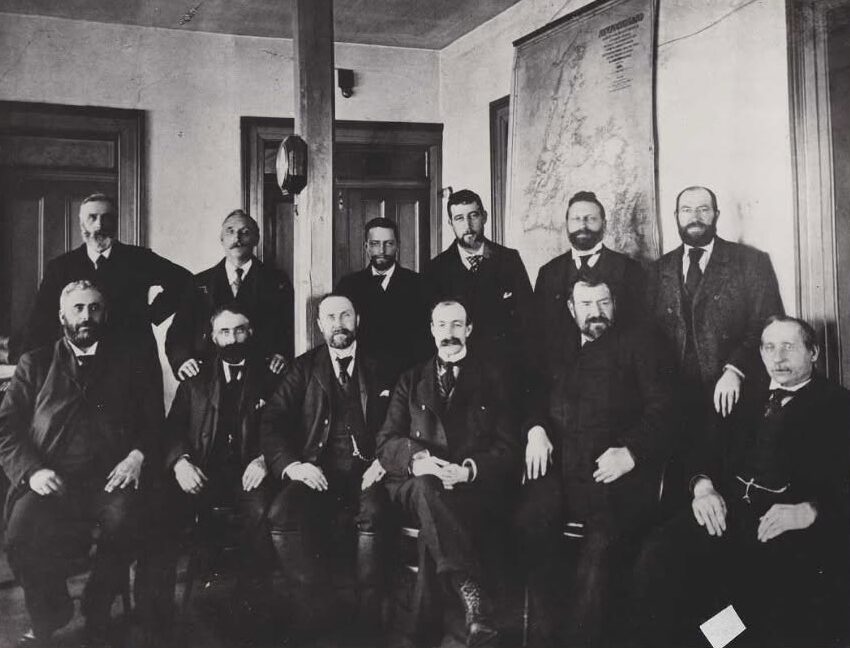
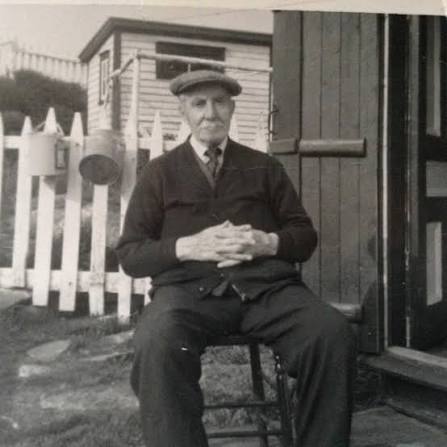
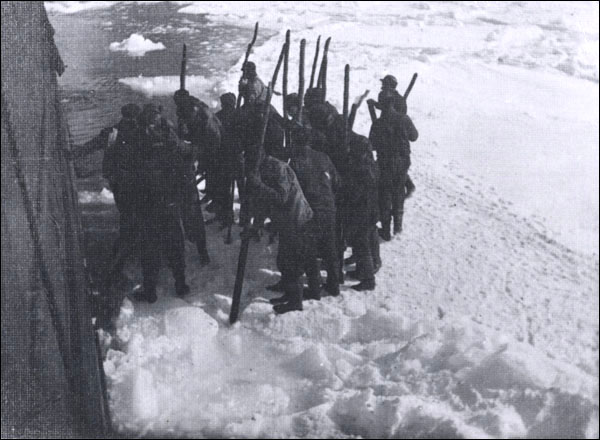
In 1807, historian Judge D.W. Prowse reported, “from Bonavista and Greenspond 6 ships went to the ice with 64 men,” and that in the town of Greenspond itself, 80 men took 17,000 seals in nets. By 1860, this number had risen to 18 vessels, each housing a crew of around 20 men during the peak of the seal hunt.
The village also took great pride in the accomplishments of local sealing captains who made their own history. For example, Captain Darius Blandford, born in Greenspond, made the quickest trip ever recorded in the Newfoundland seal fishery in 1901. He commanded the newly acquired Southern Cross, which departed for the icefields on March 10 and returned to Greenspond nine days later with a record 26,563 seals. This haul was achieved under duress, despite facing harsh conditions, including operating with just one working heater after discarding extra coal.
Another notable figure was Captain Peter Carter, from Newell’s Island, who is known for securing the heaviest seal haul in the industry’s history. While in command of the S.S. Ungava, Carter and his crew brought in 1,256 tons net weight or 49,259 seal pelts, on their expedition.
With the annual seal hunt becoming an asset to the Greenspond economy and the town a significant trade hub, Greenspond enjoyed steady growth over the years, with many tradesmen and artisans moving to the area. Tinsmiths, blacksmiths, coopers, cobblers, carpenters and others made Greenspond their home and merchant firms like Slade, Fryer, Brooking and Co. — to name a few — opened their doors.
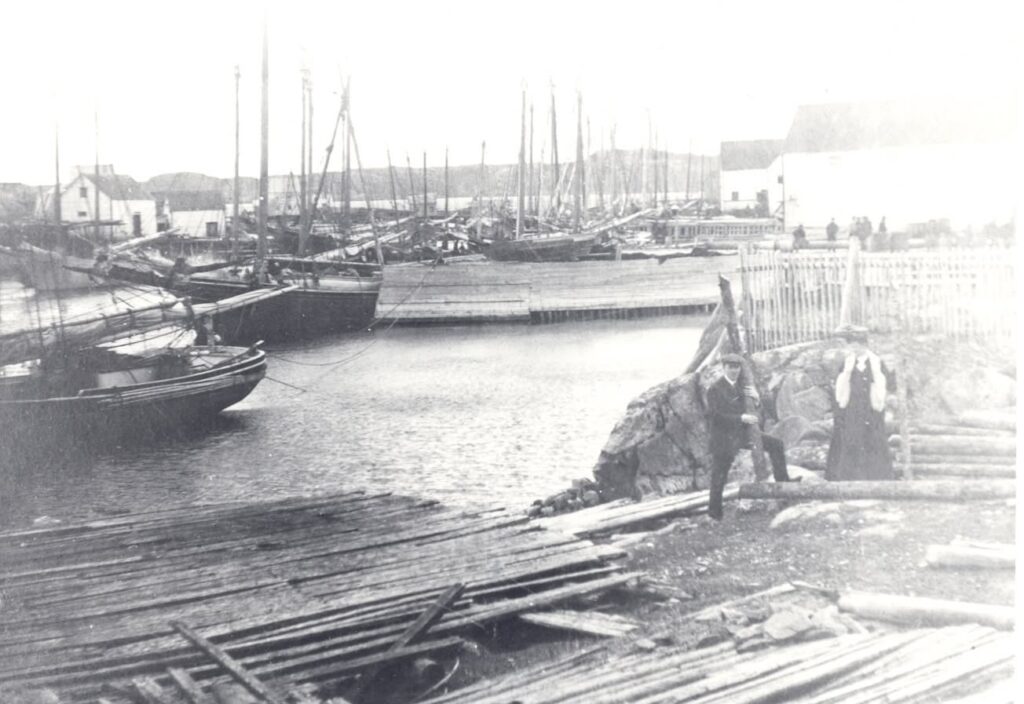
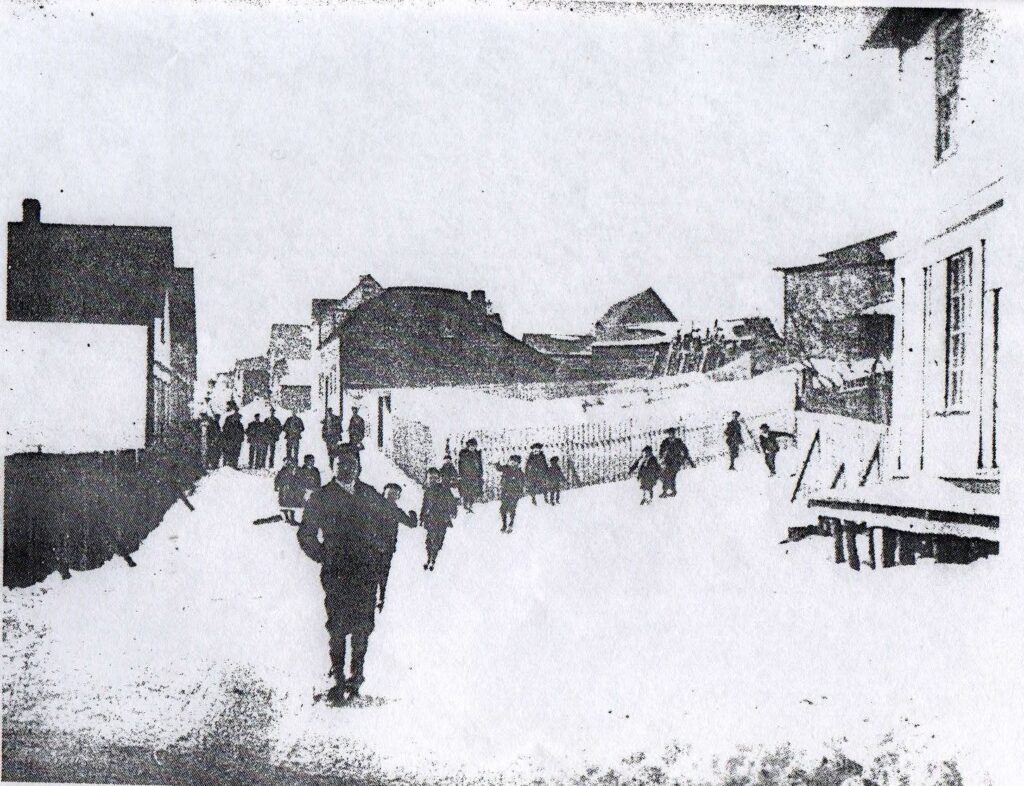
As a result of this growth, many of these companies primarily engaged in the buying and selling of fish, while some also supplied and outfitted these fisheries. In the early 20th century, even the Fisherman’s Protective Union (FPU) had a large branch in Greenspond and opened a Union Trading Store there. Then, in November 1911, Greenspond also had the honour of hosting the FPU’s third annual convention, as it was at the centre of FPU President William Coaker’s recent union-organizing effort.
Due to the region’s continued growth, the town of Greenspond became incorporated in 1951. To better connect both residents and visitors to the mainland, a causeway was built in 1983. Today, even as tourism in the summer months steadily increases, the fishing industry still remains at the foundation of the local economy.
Greenspond Today
Hub of the North is a spacious rental that was opened in 2019 by Sylvia Kean and her husband Wade. The pair had moved to Greenspond 22 years earlier and fell in love with the community. They decided to transform the former Heritage Academy into a hotel resort after it went up for sale in 2018 because they noticed so many people travelling to the area with nowhere to stay or eat.
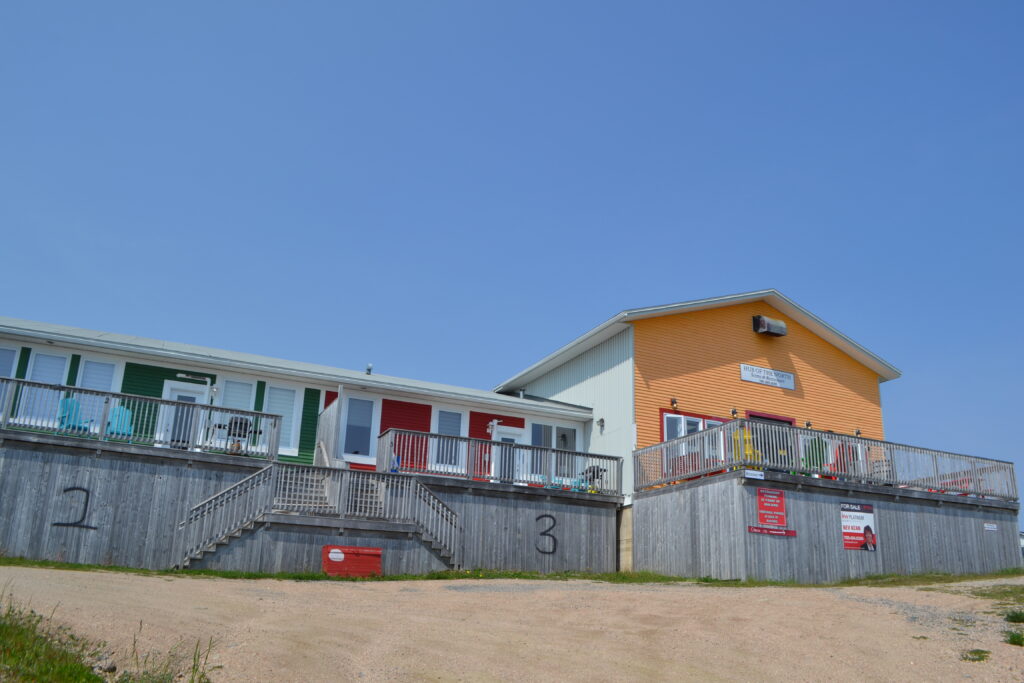
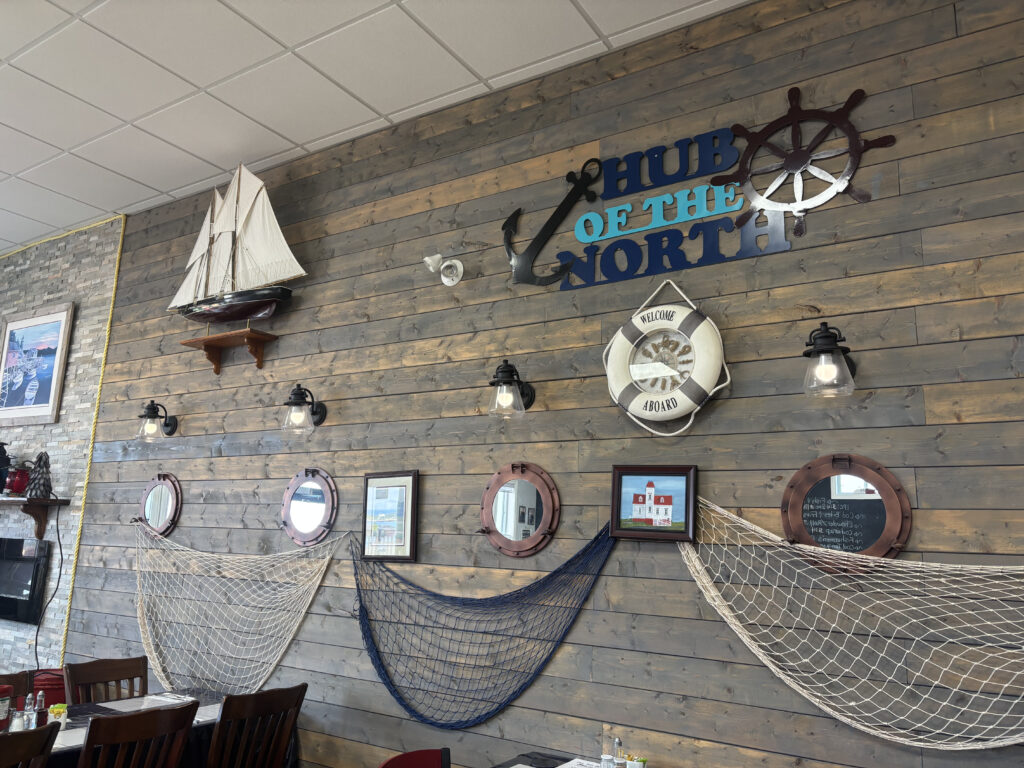
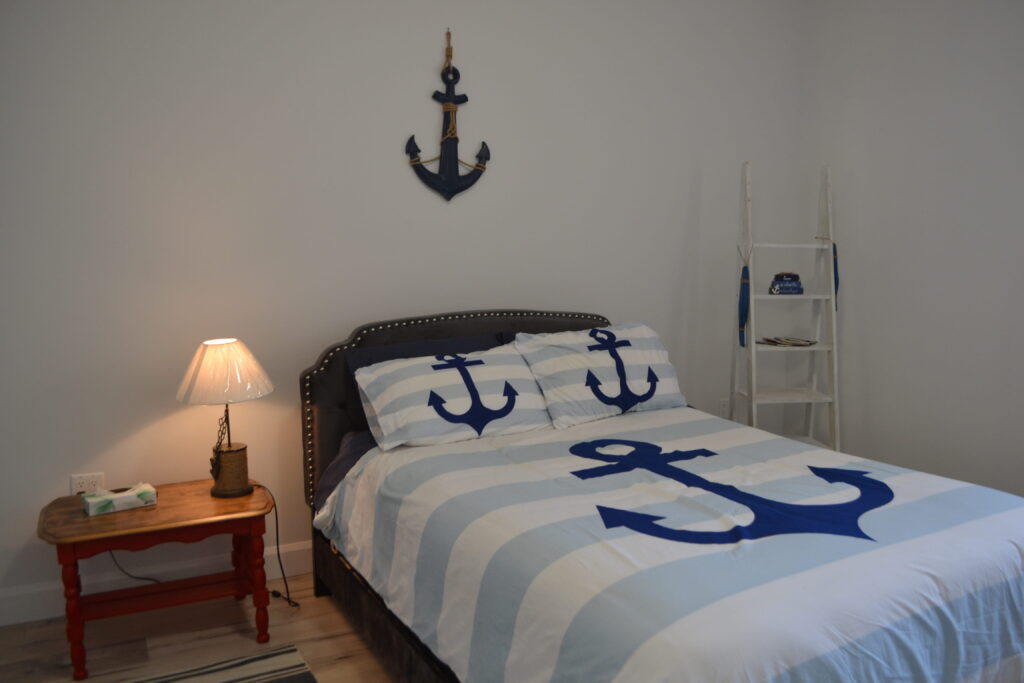
On July 26, 2019, Hub of the North opened with six large suites and an inviting restaurant that serves delicious seafood staples. The name honours Greenspond’s enduring reputation as a historic cornerstone of Newfoundland’s vibrant fishing industry, making it a welcoming and memorable destination for visitors.
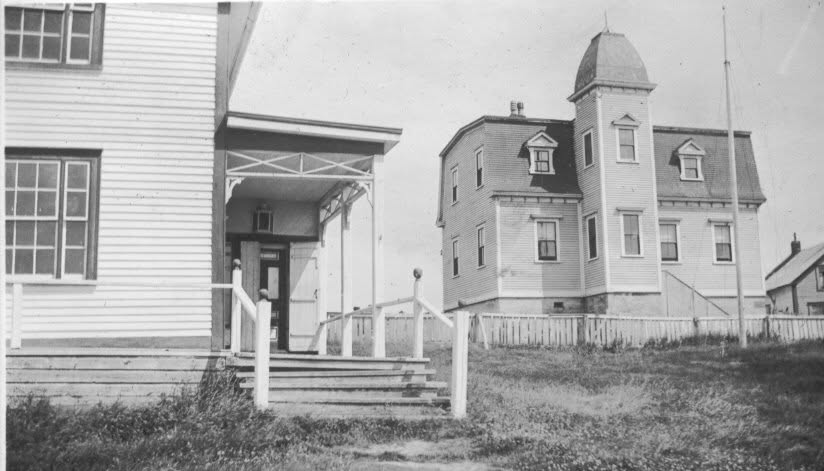
The Greenspond Courthouse is one of the last surviving courthouses in Bonavista Bay. Completed between 1900 and 1901, this two-storey wooden building served as a courthouse for criminal and civil trials. It also contained living quarters for a jailer and his family, and it became a temporary morgue when bodies were recovered from shipwrecks.
In 1988, the Greenspond Courthouse became a Registered Heritage Structure by the Heritage Foundation of Newfoundland and Labrador for its aesthetic and historic value. Later, to recognize the 100th anniversary of the commencement of construction, the building was used for a special sitting of the Supreme Court of Newfoundland on September 8, 1999, and in 2004, it was listed on the Canadian Register of Historic Places.
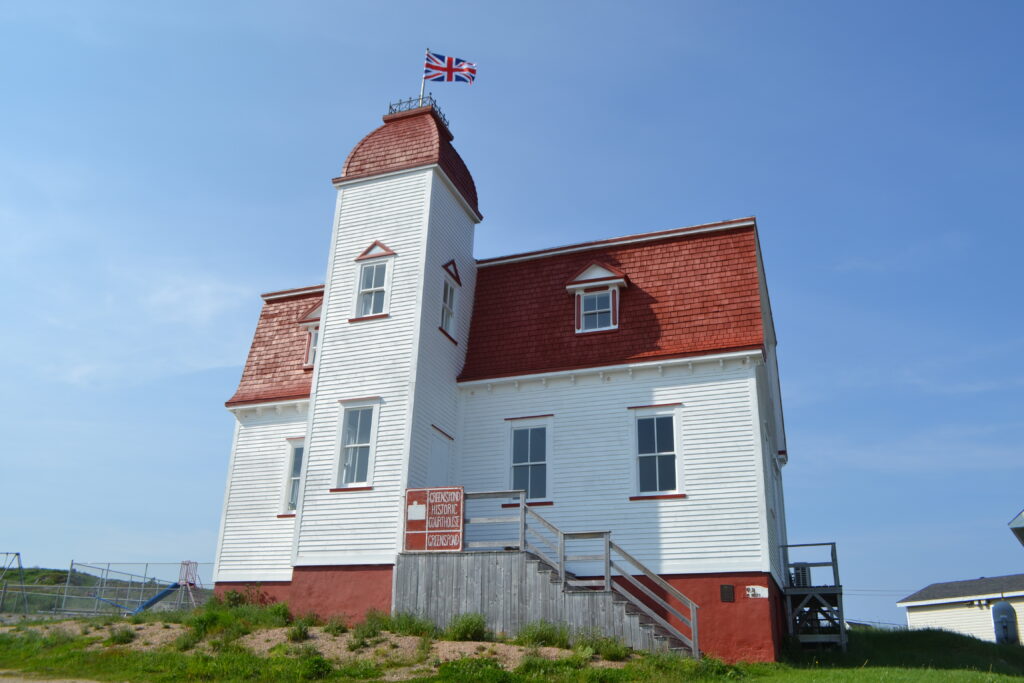
By 2019, the Greenspond Historical Society stated that the courthouse had fallen into disrepair and launched a campaign to secure funding for its restoration. Restoration had begun by September of the next year, including work on rebuilding the centre tower. Today, the building is maintained by the historical society, which uses it as a museum to showcase the area’s local and judicial history.
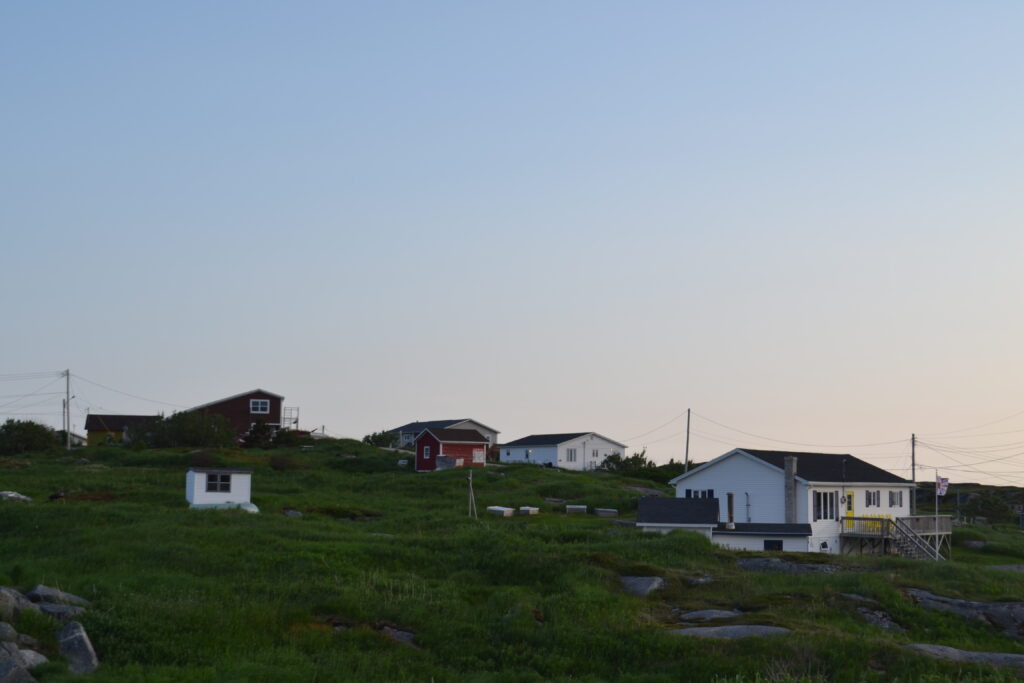
The Greenspond Walking Trail is a stunning six-kilometre shoreline hike that offers breathtaking coastal views. This popular trail offers opportunities to see whales, seabirds, fishing boats, and icebergs, depending on the time of year.
Greenspond is a picturesque coastal village, known for its scenic beauty and tranquil ambiance. Whether exploring the local museums, sampling freshly caught seafood, or taking in a sunset from the shore, visitors to Greenspond are treated to an authentic Newfoundland experience steeped in history, culture, and natural wonder.
A big thank you to Sylvia Kean from Hub of the North for the stay, as well as Linda White and Edgar Blackwood, Denise and Patricia from the Greenspond Historical Society for their information about the area.

You May Also Like

2 Comments
Chris George
Very well written. I have very strong roots to Greenspond, my mother is from Ship island. Greenspond is my favourite place to visit. It’s probably the main focus in most of my art work, which for the last two summers has been displayed in the upper level of the court house.
It’s one of those places where even though the things are modernizing, Greenspond hangs onto its heritage.
I love the place!
smalltowncanada
Hi Chris, thanks so much for reading!! Greenspond is such a beautiful place; you are so lucky you get to visit it often. I had a tour of the courthouse with Edgar and I remember him showing me your artwork! Keep up the incredible work that you’re doing.